
From research to reality: Lessons from the BALANCE Roundtable
At the EAU Congress 2026 in London, on the 13 March, the BALANCE roundtable session kicked off the themed discussions that took place during EAU’s annual Patient Advocacy Day.
The session, titled: ‘BALANCE: Embracing diversity in prostate cancer - Our journey so far’ fostered an open dialogue among the presenters, creating a dynamic exchange of ideas both between the speakers and with participants. This led to a highly engaging and fruitful session, rich in new ideas and collaborative engagement that also involved outside perspectives from the audience.
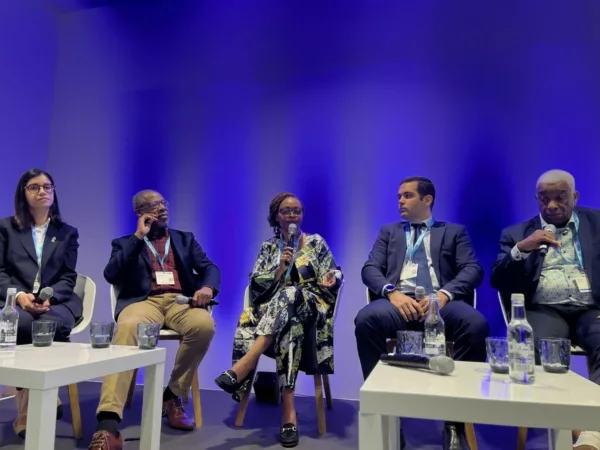
How "place" shapes lived experience: Why region matters in prostate cancer research
Speakers Mr Chas Warning, Paramaribo (SR), Prostate Cancer Foundation from Suriname, and Dr. Manuel Caitano Maia, Belém (BR), Latin American Cooperative Oncology Group (LACOG), from Brazil highlighted how geography and infrastructure influence prostate cancer care.
In Brazil, vast regional differences create unequal access to healthcare. Research and resources are often concentrated in major cities, leaving rural and lower socioeconomic populations with limited access and lower health literacy.
In Suriname, cultural dynamics play a powerful role. Despite being a diverse society with African, Asian, and Indigenous influences, prostate cancer remains a sensitive topic. Men may avoid discussing their diagnosis due to stigma, with illness sometimes perceived as a loss of masculinity. This can lead to isolation and reluctance to seek support.
Across both contexts, a common thread emerged: prostate cancer is not just a medical condition, it is deeply intertwined with identity, culture, and community.
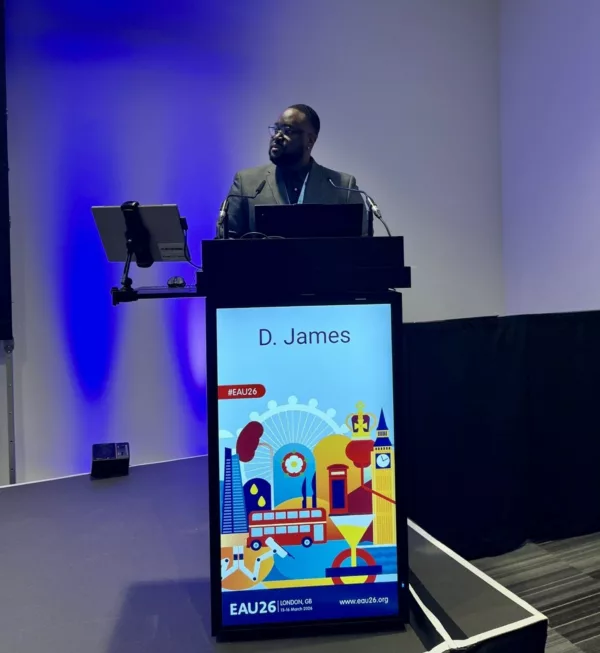
Designing studies that reflect real lives, not just clinical pathways
After discussing the importance of regional context, Ms. Tina Davies OBE, Waltham Cross (GB), Cancer UK Salone shifted the focus to another important topic that the project is largely grounded on: What does good study design look like when lived experiences vary so widely?
The consensus was clear: research must be centred in the realities of the populations it serves.
Ms. Davies stressed that effective study design should:
- Involve diverse voices from the outset
- Reflect local cultural, social, and environmental contexts
- Move beyond ‘top-down’ approaches to more collaborative, community-driven models
One example discussed during this part of the roundtable was how even seemingly simple survey questions can fail if they ignore context. A question about nighttime bathroom visits, for instance, may not account for environmental barriers such as distance to facilities -highlighting how lived realities shape responses.
After contributions and engagement from the other key presenters, the conclusion was made that meaningful data requires meaningful design. The data used for survey projects such as the BALANCE study must exist within the strong framework of a thoughtfully approached design.
Recruitment, trust, and participation: Meeting communities where they are
During the panel discussion, trust emerged as one of the most significant barriers to participation in research, particularly within Black communities. Historical inequities and systemic bias have contributed to skepticism toward healthcare systems and research initiatives.
Building trust requires intentional effort:
- Using culturally relevant language and messaging
- Engaging community leaders and local voices
- Ensuring representation among research staff to build trust and cultural competence.
- Communicating clearly the purpose and benefits of the study
One powerful example shared was the shift in terminology from “prostate cancer risk assessment” to “check tings out” - a phrase that resonated more naturally within certain communities. This change alone significantly improved engagement.
The message is simple but profound: how you say something can determine whether it is heard at all.
From data to meaning: understanding patient-reported outcomes through an equity lens
Led by Ms Natalia Norori, London (GB), Prostate Cancer UK (PCUK), another key insight was the importance of involving not just patients, but their wider support networks. In many communities, women play a crucial role in health decision-making and communication within families. Including them in awareness and engagement efforts can strengthen participation and support.
At the same time, many men expressed feelings of isolation and a reluctance to burden their families. This highlights the need for supportive structures that address emotional as well as clinical needs.
Rethinking outcomes and equity
Patient-reported outcome measures (PROMs) are central to the Diversity in PCa study, but the roundtable emphasised that these tools must evolve.
PROMs should:
- Reflect diverse lived experiences
- Be adaptable to different healthcare systems
- Capture not just clinical outcomes, but quality of life, identity, and social impact
There was also discussion on the limitations of existing clinical algorithms, which may not adequately represent diverse populations. Without inclusive data, these systems risk reinforcing disparities rather than addressing them.
Conclusion
A recurring theme throughout the roundtable was the importance of starting with why.
Why should someone participate in research?
Why does this study matter to them and their community?
When these questions are answered clearly and authentically, engagement follows.
The insights from the BALANCE Roundtable reinforce that equitable healthcare begins with inclusive research design and community engagement.
Through initiatives like the BALANCE Study, led by the European Association of Urology Patient Office, there is a growing commitment to ensuring that no group is overlooked.