
BCLEAR at EAU26: advancing shared decision-making and health literacy in bladder cancer care
At the 41st Annual European Association of Urology Congress (EAU26), held in London from 13–16 March 2026, BCLEAR partners shared their insights through a roundtable discussion during Patient Advocacy Day on 13 March, as well as a Theatre session at the Patient Advocacy Plaza on 15 March.
The sessions focused on shared decision-making and health literacy in bladder cancer care. Bringing together clinicians, primary care representatives, researchers and patient advocates, the discussions centred on how to strengthen patient-centred approaches across the bladder cancer care pathway.
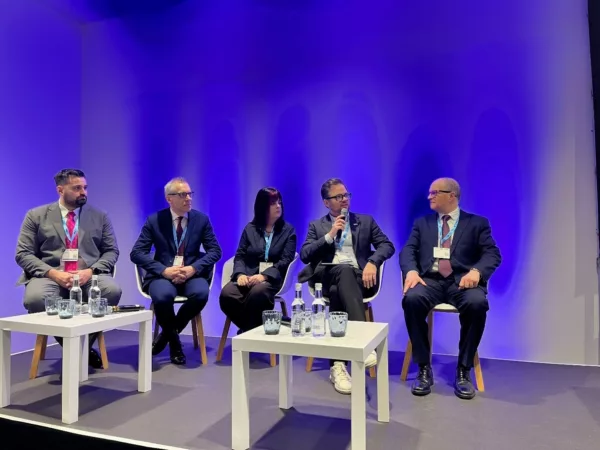
Highlighting the importance of shared decision-making
During the roundtable session “BCLEAR: Shared Decisions, Stronger Care in Bladder Cancer – Addressing Clinician Needs Across Europe”, chaired by M. Van Balken (Arnhem, NL), discussions focused on the need to move from recognising the importance of SDM to ensuring its consistent use in clinical practice.
The session was organised as part of the BCLEAR project, which aims to improve health literacy in bladder cancer and support shared decision-making across Europe. Alongside patient representatives, the panel included representatives from WONCA Europe, the Polish Urological Association (PTU), the World Bladder Cancer Patient Coalition (WBCPC), the Hellenic Urological Association (HUA) and the Hungarian Society of Urologists (HUS), reflecting a collaborative approach between patient organisations, primary care and specialist healthcare professionals.
Insights shared during the session drew on findings from the World Bladder Cancer Patient Coalition’s Global Bladder Cancer Patient and Carer Survey, which collected responses from around 1,200 patients and carers across 45 countries. The results highlighted gaps in how treatment options and their potential impact are communicated, underlining the need for clearer and more open discussions to support informed decision-making. Key points discussed included:
- The gap between awareness of SDM and its consistent use in clinical settings.
- Barriers such as limited consultation time and lack of structured tools.
- The need for practical training and guidance for healthcare professionals.
- The importance of discussing treatment consequences to support informed patient choices.
The discussion reinforced the importance of ongoing work within BCLEAR to develop tools and training that support healthcare professionals in applying shared decision-making in everyday practice.
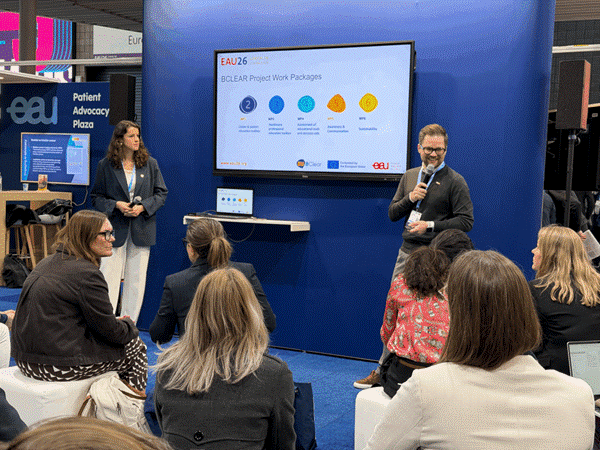
Strengthening health literacy across Europe
The second BCLEAR session took place at the Patient Advocacy Plaza and was focused on strengthening health literacy and addressing existing gaps across Europe. During the session, Executive Director of the World Bladder Cancer Patient Coalition, Alex Filicevas, together with Renée Leenen, MD and PhD Candidate in Urology at Erasmus MC, presented an overview of the BCLEAR project and its objectives.
The session highlighted that many people living with bladder cancer face challenges in:
- Recognising symptoms
- Understanding their diagnosis
- Navigating care pathways
Limited access to clear and accessible information remains a barrier to early diagnosis and informed decision-making.
Discussions focused on:
- Improving access to clear, reliable and patient-friendly information.
- Addressing disparities in health literacy across countries and populations.
- Supporting patients across the full care pathway, from early symptoms to survivorship.
- Strengthening collaboration between patient organisations and healthcare professionals.
The BCLEAR project aims to address these challenges by developing tools and resources that support both patients and healthcare professionals, contributing to more informed decision-making and improved care experiences across Europe.
The sessions at EAU26 highlighted the importance of combining shared decision-making and health literacy to improve patient experiences and outcomes in bladder cancer care and reinforced the value of collaboration across disciplines and organisations.