
Global Summit in Rome calls for action to transform continence and pelvic health care
The EAU Patient Office joined global experts, patients and healthcare leaders at the WFIPP 20th Anniversary Global Summit in Rome to help shape the future of continence and pelvic health.
As part of the World Federation of Incontinence and Pelvic Problems (WFIPP) 20th Anniversary Global Summit on Pelvic Health in Rome on the 26th June, this event brought together leaders from patient, patients organisations, healthcare, policy, academia and industry to explore how collaboration can improve continence and pelvic health services worldwide.
The Summit reflected the 20 years of commitment by the committee WFIPP thus giving patients a stronger voice while promoting research, education and policy development. Participants recognised that, despite significant advances in clinical care, incontinence and pelvic floor disorders continue to be under-recognised, under-treated, under-funded and surrounded by stigma in many countries.
The expert panel was well represented from Ireland as Professor Eamon Rogers (Galway) chaired the session and Eva Wallace Retired Nurse National Rehabilitation Hospital (NRH) represented the European Association of Urology Nurses (EAUN). The session emphasised that meaningful progress requires patients to be active partners in healthcare decision-making. Shared decision-making, improved health literacy and better access to evidence-based information were identified as essential components of high-quality continence care. A recurring theme was identified and the necessity to break the silence surrounding bladder and bowel dysfunction. Public awareness campaigns, education programmes and open conversations were recognised as critical in reducing stigma and encouraging people to seek help sooner. Bins4Blokes was used as an example and launched in Australia 2021 by Continence Health Australia, and bins for boys was launched in the UK. This initiative recommends that bins should be in all pubic toilets, to support men following cancer treatment/ incontinence. Following this the European Association of Urology (EAU) recommends that there should be accessible bins in all male toilets.
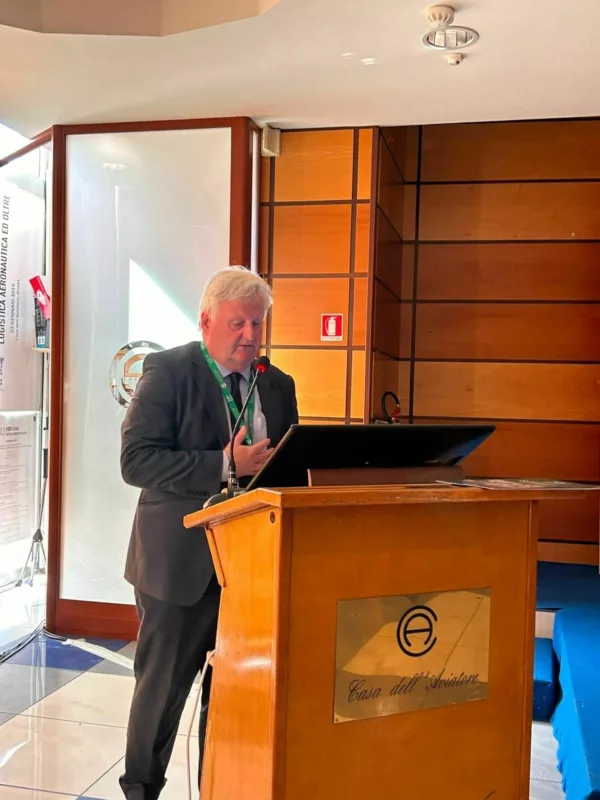
Prof Philip Van Kerrebroeck highlighted the importance of stronger collaboration between patient organisations, healthcare professionals, scientific societies, governments and industry. International initiatives such as the EAU's An Urge to Act campaign and the REVEAL-OAB project were presented as examples of how partnerships can influence policy, improve awareness and strengthen patient-centred care.
One of the strongest themes throughout the day emphasized the importance of listening to the patient voice and breaking the silence around incontinence The discussion also focused on inequalities in access to continence services across different healthcare systems. Participants called for greater investment in prevention, early intervention, specialist continence services and workforce education to ensure equitable care regardless of geography or socioeconomic status. Ireland is leading the way in advancing continence care through the introduction of a Multidisciplinary team approach to include Advanced Nurse Practitioner (ANP) Nurse-led continence services. The pioneering integrated specialist continence service has been established by Prof Eamon Rogers in the HSE West & Northwest and brings expert assessment diagnosis treatment, and follow-up closer to the patient’s homes, improving specialist care reducing waiting times and promoting early intervention to deliver person centred evidence-based continence services. These partnerships are helping to lobby Members of the European Parliament (MEP’s) to place continence care higher on healthcare agendas across Europe and beyond. It is essential to investment in education at every level—from undergraduate training to specialist practice— and include patients' families and the general public if we are to improve standards of care worldwide.
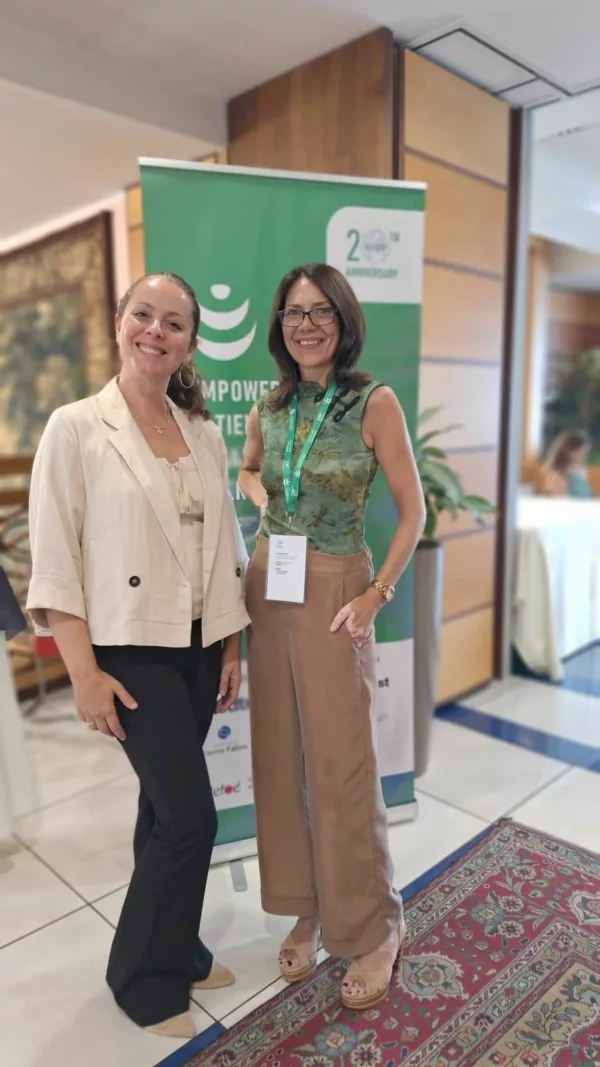
The successful conference concluded with the president of WFIPP Mary Lynn Van Poelgeest’s optimisms for the future, reinforcing the importance of continued international collaboration. Lynn then launched the ‘Rome Declaration’ as a shared vision to improve continence & advancing pelvic health worldwide and calls for action by governments, healthcare professionals’ researchers, policymakers and industry.
Rome Declaration
- Recognition of continence and pelvic health as a public health priority
- Timely access to diagnosis treatment rehabilitation and evidence -based care
- Patient -centred care with shared decision- making
- Reduction of stigma through public awareness and education
- Investment in research, innovation and digital health to improve outcomes
- International collaboration between governments health care professionals, societies, patient organisations and industry
- Meaningful patient involvement in the development of health policies and service.
- Equitable access to high-quality continence care regardless of age gender or location
Throughout the discussion, speakers reminded us that behind every statistic is a person whose quality of life, dignity and independence may be profoundly affected by bladder or bowel dysfunction. Empowering individuals to seek help, ask questions and participate in decisions about their care was seen as fundamental to achieving better outcomes. As we said goodbye there was a shared feeling that the momentum generated over the past two decades should not be lost. The WFIPP has played an important role in bringing together diverse voices, and the anniversary provided an opportunity not only to celebrate past achievements but also to look confidently towards the future.